 EN
EN
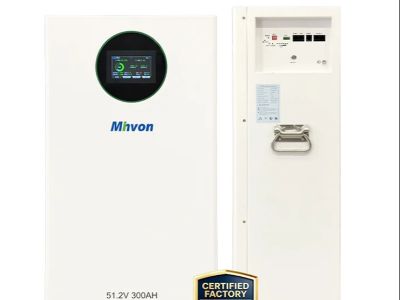
Solar power is a nice way to get energy from the sun. There are two kinds of systems that help us use solar energy, like on-grid and off-grid ones. At Minvon, we like to help you figure out how these systems work and what makes them different. Let’s look into what make these two types of solar power inverters special, and how their efficiency might change depending on various things.
What Are the Key Differences Between On-Grid and Off-Grid Solar Power Inverters?
On-grid solar power inverters connect to the local electricity grid. This mean when the sun is shining, and your solar panels make energy, you can use that energy right away. If you produce more than you need, it go back to the grid. That’s great because you can earn credits or get paid for extra energy. In sunny places, this system work really well. But if the grid goes down from a storm or other problem, you won’t have power then.
On the other hand, off-grid solar power inverters works different. Hybrid Solar Inverter don’t connect to the electricity grid. Instead, they store energy in battery. This is handy for areas without reliable power, like remote spots. With off-grid systems, you can have electricity even when the sun isn’t out, because the batteries hold the energy. However, this setup can cost more since you need to buy batteries and other stuff to keep it running smooth.
Both systems has benefits and challenges. On-grid ones are usually cheaper and easier to install, while off-grid give you freedom from the grid. So, it depends on your needs and location. You should think about sunlight amount, your energy use, and if you want to stay connected or not. At Minvon, we know that getting these differences can help you pick the right choice for home or business.
What Factors Affect the Efficiency of Solar Power Inverters?
The efficiency of solar power inverters can vary based on some key factors. First, the quality of the inverter itself play a big role. Better quality inverters tend to work better and turn more sun energy into usable electricity. At Minvon, we focus on making high-quality inverters that give the best output.
Next, temperature affect efficiency. Inverters get hot when they work, and if too hot, they may not perform as good. It’s like running on a hot day; you get tired quick. Keeping the inverter cool is important so Off grid Solar Inverter keeps working well. Also, sunlight amount changes during the day. On cloudy days or low sun, the inverters might not do as well.
Another factor is the installation of solar panels. If they dirty or shaded by trees, they can’t catch much sunlight. This affects how much energy the inverter converts. Regular cleaning and checks can help make sure things work fine.
Lastly, the system design matter too. If designed with good balance of panels and batteries, it will run more efficient. Minvon helps customers design systems to get the most from their solar power.
Knowing these factors can help you choose the best solar system. With right knowledge and gear, you can use the sun’s energy better.
What Makes Off-Grid Solar Inverters a Preferred Choice for Remote Areas?
Off-grid solar inverters are a good pick for folks in remote areas. These spots often don’t have access to main power lines easy. That’s where off-grid solar inverters help out. They let people make their own electricity from sunlight. With these, you use solar panels to catch sun and turn it into power for home or business. Since no power lines, off-grid systems useful in farms, cabins, or rural places.
One big benefit of off-grid solar inverters is independence. When you have your system, you don’t depend on others for power. This mean you can have electricity during storms or main supply issues. Off-grid systems usually come with batteries that store energy for when sun not shining. This important in remote areas, where you need power all time, even night or cloudy days.
Another reason off-grid solar inverters preferred in remote areas is they can fit specific needs. People choose number of panels and batteries based on their electricity use. This flexibility mean small homes can get enough power without big costs. For example, a family in remote spot can set up small system for lights, fridge, and basics. This make life easier.
Minvon get the special needs of remote customers. Our off-grid solar inverters designed to be reliable and efficient. We make systems easy to install and maintain, so everyone enjoy solar benefits. This help people be more self-reliant and less on traditional energy, which costly and hard to get. In short, off-grid solar inverters preferred for remote areas because lithium iron phosphate battery give independence, flexibility, and steady energy.
How to Compare the Performance of On-Grid and Off-Grid Solar Inverters
When choosing between on-grid and off-grid solar inverters, it’s key to see how they perform different. On-grid ones connect to the main grid, while off-grid work on their own. This main difference lead to various performance traits that affect your decision.
One way to compare is by efficiency. Efficiency show how well the inverter turns sunlight into usable power. Usually, both types designed efficient, but performance vary by use. On-grid inverters optimized for sunny days and can send extra energy to grid. So users earn credits on bills if they make more than need. But in outages, on-grid can’t give power unless battery backup.
On the other hand, off-grid inverters aim for steady power in all conditions. They come with batteries to store energy for later. This mean even no sun for days, you still get electricity. When comparing, think about your energy needs and timing. For instance, a family using lots daytime may like on-grid, while remote living prefer off-grid for sure reliability.
Another thing to compare is cost. On-grid systems need less upfront money since no big batteries. However, off-grid might save long-term by skipping utility bills. Minvon’s solar inverters help customers decide based on needs. We give info on performance and costs for both, making it simple to pick right system.
What Are the Latest Trends in Solar Inverter Tech for Wholesalers?
The solar inverter tech world always changing, and wholesalers need to keep up with trends. One exciting trend is smart solar inverters. These use advanced tech to watch energy production and use. They talk to other devices, helping users manage energy easier. For wholesalers like Minvon, selling smart inverters attract customers wanting modern fixes for energy.
Another trend is better efficiency ratings for solar inverters. Makers work hard to improve converting sun to electricity. Higher efficiency mean more power from panels. This helps both on-grid and off-grid. Wholesalers should seek products with high ratings to give best to clients.
Battery storage advancing fast too. Many new inverters integrate with batteries or work with popular brands. This let users store extra for later. For wholesalers, this feature key, as customers want independence more. Minvon provide special battery options that fit our inverters smooth.
Finally, there’s more focus on sustainability in making solar inverters. Companies use recyclable materials and cut waste. Wholesalers picking green products appeal wider. By following these trends, Minvon aim to lead in solar inverter field, with quality products for changing customer needs.
Table of Contents
- What Are the Key Differences Between On-Grid and Off-Grid Solar Power Inverters?
- What Factors Affect the Efficiency of Solar Power Inverters?
- What Makes Off-Grid Solar Inverters a Preferred Choice for Remote Areas?
- How to Compare the Performance of On-Grid and Off-Grid Solar Inverters
- What Are the Latest Trends in Solar Inverter Tech for Wholesalers?